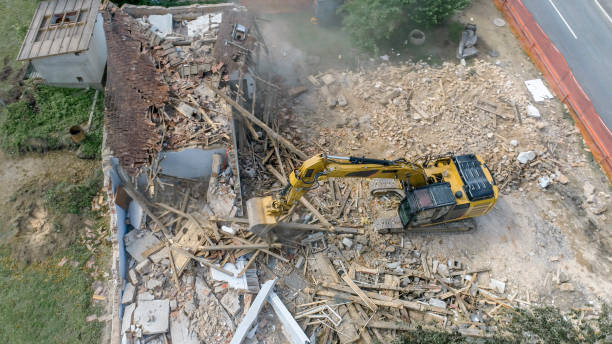
Smarter Demolition And Restoration For Aging Structures
Older buildings and buried infrastructure have a kind of stubborn charm. They also have cracked slabs, crumbling access points, unpredictable wiring and plumbing, and materials that do not always behave the way modern plans expect. For a long time, demolition and restoration work in these environments relied on brute force and guesswork. Today, the smartest approach looks very different. Precision cutting tools, careful planning, and clean, efficient restoration create safer results with far less disruption, stress, and waste. If you want to see a real-world example of this mindset in action, visit the Mr. Manhole.
Why Aging Structures Need A Smarter Touch
Once a structure has stood through decades of weather, repairs, and remodels, everything becomes more delicate. Concrete around access points may have been patched multiple times. Framing might be notched from past projects. Foundations can settle and create hairline cracks that turn into real problems if you hit them with aggressive methods. A smarter demolition and restoration process accepts that reality instead of fighting it. The goal is not to smash and rebuild everything. The goal is to open up only what you need, protect what still works, and leave the site ready for the next phase as quickly as possible.
This kind of selective thinking shows up in both heavy infrastructure work and residential projects. On the infrastructure side, specialized cutting systems remove precise rings of pavement or concrete around access points to allow fast repairs without tearing up entire lanes. Inside the home, controlled demolition techniques remove finishes and damaged materials without destroying sound structure. You can see that same balance of control, service, and cleanup mindset reflected on the RoseCityHomeDemolition site.
From Brute Force To Precision Demolition
The old way to access something behind concrete or within a room was to cut a large square or simply start breaking material until an opening appeared. That usually meant heavy tools, noisy work, flying debris, and a lot of collateral damage that had to be repaired later. Modern methods approach demolition as surgery rather than a brawl.
With the right tools, workers can create highly accurate cuts that follow a planned outline. Instead of random fractures, you get clean edges that are much easier to rebuild against. Around access openings, circular cuts help control stress in the surrounding material, which reduces long-term cracking. In interior spaces, selective demolition focuses on removing only the finishes or partitions that no longer serve a purpose, while leaving structural elements untouched.
Precision is not just about looking neat. It directly affects cost and timeline. Clean cuts mean fewer surprises, smaller repair areas, and less time spent trying to fix damage that never needed to happen in the first place. For aging structures, that control can be the difference between a tidy upgrade and a cascading series of repairs.
Safety And Planning At Every Stage
A lot of the “smarter” part of smarter demolition and restoration happens before a single tool is switched on. Older sites require a deeper level of planning, and safety is at the center of that plan. Before work begins, a good crew will assess the structure, identify possible weak points, and map out utilities, traffic patterns, and the people who need to keep living or working nearby.
On infrastructure projects, that might mean staging work so that lanes stay open as much as possible, putting up clear barriers and signage, and planning cuts so the surrounding surface remains stable. In homes, it might involve dust control strategies, protection for flooring and furnishings, and clear communication with residents about noise, access, and timing.
When planning is handled properly, safety protocols feel natural rather than intrusive. Workers know their roles, protective measures are in place, and the risk of accidents drops sharply. That matters even more around aging structures, where a careless impact or misjudged cut can turn a small job into a serious structural concern.
Keeping Disruption And Debris Under Control
Traditional demolition often turned work sites into war zones. Piles of debris, clouds of dust, and unpredictable noise left owners and neighbors frustrated. Smarter demolition treats disruption as a measurable cost that can be reduced with the right methods.
Selective cutting and removal create smaller, more manageable debris. Instead of jackhammering entire slabs into rubble, crews can lift out sections in panels. Indoors, planning the order of removal and using the right containment systems keeps dust and debris from migrating into the rest of the property. Vacuum attachments on cutting tools, plastic barriers, and thoughtful staging all contribute to a cleaner job.
This matters for more than aesthetics. Less debris means cheaper disposal and a smaller environmental footprint. Cleaner work areas also reduce the risk of accidents and make it easier for follow-up trades to move in quickly. For owners, it means the disruption to daily life or business operations is as short and painless as possible.
Restoration That Respects What Already Works
Demolition is only half the story. The true value comes from how well the site is restored after the removal is complete. On aging structures, the smartest restoration work starts with respect for what is still sound. Instead of ripping everything out and starting fresh, a thoughtful plan stabilizes and enhances the existing structure.
Around access openings or other structural interfaces, restoration focuses on materials and methods that resist water intrusion, handle freeze-thaw cycles, and distribute loads evenly. The aim is to extend the life of the repair so that crews do not have to return to the same trouble spots again and again.
In homes, restoration might involve upgrading outdated materials, improving insulation, or reshaping spaces to better fit how people live now. By limiting demolition to only what truly needs to go, you retain more of the original character while still solving practical problems. Smart restoration balances modern performance with the history that made the structure worth saving in the first place.
The Financial Case For Smarter Methods
At first glance, precision cutting tools and carefully staged projects can look more expensive than rough demolition. Once you look at the full picture, the cost advantage becomes much clearer. Every unnecessary crack, extra square foot of material removed, and extra hour spent cleaning up adds to the final bill.
Smarter methods reduce those hidden costs. Controlled cuts mean fewer replacement materials. Smaller work zones shorten traffic disruptions or downtime for businesses. Cleaner work reduces labor spent on sweeping, hauling, and protecting surrounding areas. Longer-lasting repairs keep maintenance budgets from bleeding year after year.
When owners and project managers compare the lifetime cost of a traditional approach to a modern, precision-oriented one, the savings can be significant. That is especially true on aging structures where repeated failures are common if initial work is sloppy or overly aggressive.
Choosing A Team That Works Smarter, Not Louder
The best tools in the world do not matter if the people using them do not value planning, communication, and care. Choosing the right demolition and restoration team is really about choosing a mindset. Look for providers who are happy to walk you through their process, explain how they protect existing structures, and show past projects that demonstrate clean, controlled work.
Good crews arrive prepared, treat your property and neighbors with respect, and leave the site ready for whatever comes next. They view cleanup as part of the service, not an afterthought. They are proactive about safety and up front about potential challenges, especially in older structures where surprises sometimes appear behind the surface.
In the end, smarter demolition and restoration for aging structures is about more than tools and techniques. It is about a commitment to do the minimum necessary damage, the maximum possible good, and to leave every site stronger, safer, and more functional than before the work began. When that mindset guides the project, owners, residents, and the surrounding community all benefit.