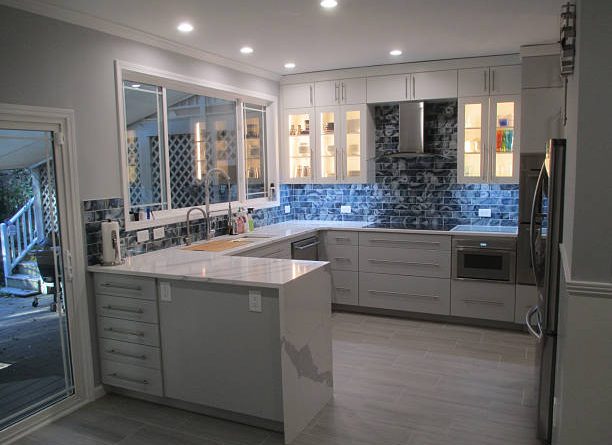
Design First Kitchen And Bath Remodeling
A lot of homeowners jump straight into shopping for tiles, faucets, and cabinet colors, then wonder why their remodeling project feels chaotic a few weeks later. A design-first approach flips that script. Instead of starting with random purchases, you begin with a clear vision, a layout that fits your life, and a roadmap that everyone on the project can follow. This is the kind of planning people expect from trusted studios such as Kitchen & Bath by Glamour Designs, Manhattan, where the look is beautiful because the design work underneath is solid.
When you put design at the front of the process, every decision has a purpose. The size of the island is based on how many people actually cook at once. The height of the vanity is chosen so it feels comfortable for the people who use it daily. The storage is laid out around real habits, not just pretty photos. That level of planning does more than create a photogenic space. It removes stress, prevents expensive mistakes, and lets you enjoy the process instead of constantly putting out fires.
Inspiration is still part of the fun, of course. Browsing galleries, scrolling through social feeds, and checking out project photos on sites such as remodelworks.com/ helps you discover what you love and what you never want in your home. The difference with a design-first mindset is that inspiration is only the starting point. You translate those ideas into a detailed plan that fits your layout, your budget, and the way you actually live.
Start With How You Live, Not With Paint Colors
Before anyone mentions countertop materials or cabinet door styles, the conversation should be about your routines.
Think about weekday mornings in the kitchen. Are there two people trying to make coffee and breakfast at the same time, while kids dig in the fridge for snacks and a pet weaves between everyone’s legs? That scene tells your designer where you need wider walkways, where to place the fridge, and how much countertop space you truly need near the cooktop. Now think about evenings. Do you entertain often, or are you more likely to curl up with a quick meal and a show? Those answers shape where seating goes and how open the layout should be.
The same thinking applies to the bathroom. A shared bath for a busy household needs efficient storage, well-positioned mirrors, and durable finishes that stand up to constant use. A primary suite bath might lean more toward calm lighting, a comfortable shower layout, and details that make it feel like a private retreat. When your design starts from these real-life questions, the style choices that follow feel natural instead of forced.
Turn Inspiration Into A Real World Plan
Once those everyday patterns are clear, your inspiration photos finally have context.
Instead of recreating a kitchen you saw online, you and your designer pull out the elements that truly fit your home. Maybe it is the warm wood tone of the cabinets, the simplicity of the backsplash, or the way the lighting highlights open shelving. Those details are filtered through the reality of your room size, your windows, and your budget.
This is also where layouts are tested on paper or in 3D before anything is built. You can see how a larger island might affect traffic, whether a wall removal makes sense structurally, or how a relocated fridge changes the work triangle. It is much cheaper to tweak a layout on a screen than to move plumbing after the floor has been opened. Design-first remodeling leans heavily on this stage, because every hour spent here saves time and stress during construction.
Design Choices That Make Daily Life Easier
Thoughtful design is not just about looks. It is about eliminating little frustrations that wear on you day after day.
In the kitchen, this might mean deep drawers instead of lower cabinets, so you can see every pot and pan at a glance. It could mean a pull-out pantry beside the fridge, so canned goods and spices do not get lost in a dark corner. You might choose a slightly larger sink to handle big baking trays, or add a narrow pull-out for cutting boards and baking sheets to keep them upright and easy to reach.
In the bathroom, a better design might show up as a recessed niche that keeps shampoo bottles off the floor, or a vanity with a built-in electrical dock so hair tools and toothbrush chargers are off the counter. Good lighting design ensures you do not have shadows when you are shaving or doing makeup. Small touches, yes, but they add up to rooms that feel calm and efficient instead of cluttered.
When you address these functional needs early in the design, you avoid the classic “I wish we had thought of that sooner” regret that so many homeowners have after a remodel.
Why Design First Remodeling Protects Your Budget
It might sound backwards, but spending more time on design often means spending less money overall.
Without a plan, it is easy to fall into impulse purchases. A beautiful tile on sale, a faucet that looks great in the showroom, or an upgrade the contractor suggests on the fly can quickly push you past your comfort zone. When those choices are made within a well-thought-out design, each one is checked against the bigger picture. You know where to splurge for impact and where to save without sacrificing quality.
A detailed design also reduces surprise costs during construction. If the layout, materials, and fixtures are all selected and documented, the crew is not constantly stopping to wait for decisions. They know what goes where and in what sequence, so labor hours are used efficiently. Fewer last-minute changes mean fewer change orders, which is where many budgets go off the rails.
Keeping The Project On Track From Demolition To Final Walkthrough
Another major benefit of a design-first approach is clarity. Everyone involved in the project is looking at the same plan.
The contractor knows the exact placement of every cabinet and outlet. The plumber has clear drawings for fixture locations. The electrician understands where under-cabinet lights, sconces, and ceiling fixtures are supposed to go. This shared understanding prevents miscommunication and rework, which are the enemies of both timelines and budgets.
From a homeowner’s perspective, having that design to refer back to is incredibly reassuring. When the room is gutted and it feels like a construction zone, you can look at your drawings and renderings and remember what you are moving toward. Progress meetings become more focused because you are checking off items from a defined plan rather than improvising week by week.
Bringing It All Together In A Finished Space
In the end, the goal of design-first kitchen and bath remodeling is not just a pretty before-and-after photo. It is a home that supports your life in a practical, comfortable way, while also reflecting your personal taste.
When the dust settles, you notice how smoothly everything works. The kitchen island has seating that actually gets used. The drawers open without bumping into each other. The bathroom feels calm instead of cramped, with lighting that makes mornings easier and evenings more relaxing. Those results do not come from luck. They come from putting design at the heart of the project and letting every decision flow from that foundation.
If you are thinking about updating your kitchen or bath, start by asking the right questions. How do you live in these rooms now, and how do you want to feel in them after the remodel is done? Build your plan from there, and you will be far more likely to end up with spaces that look good, work beautifully, and stay that way for years.