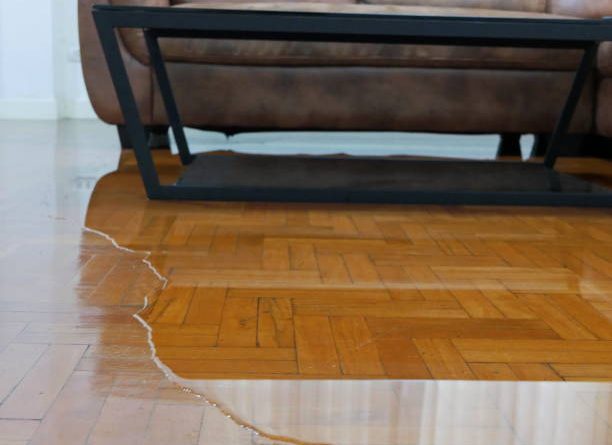
Saving Hardwood Floors After Water Damage
Water on hardwood floors can turn a calm afternoon into instant panic. Whether it is a small dishwasher leak or several rooms soaked from a burst pipe, you know that wood and water are not exactly friends. The good news is that many hardwood floors can be saved if you move quickly, make smart choices, and bring in the right help when you need it. In this guide, we will walk through what to do step by step, so those beautiful floors have the best chance of recovery, much like the detailed guidance you would expect from a trusted resource such as the Premier Hardwood Flooring site.
The first thing to remember is that you are working against the clock. Hardwood planks will start absorbing moisture from the top and sides, and sometimes from underneath if the subfloor is wet. The longer water sits, the higher the risk of cupping, warping, mold, and permanent staining. Even if the floor looks fine on the surface, moisture can be hiding deep inside the wood and below it, quietly causing damage.
Once the immediate chaos is under control and the water source is off, it is time to shift from panic to a calm, methodical plan. That means focusing on safety in the room, removing as much water as you can, and then getting serious about drying and airflow. This early window is where you can make the biggest difference before professional post-flood recovery work begins.
Act Fast When You Spot Water On Hardwood
This is the moment that matters most. Even if the leak looks minor, assume the water wants to spread under walls, cabinets, and into gaps between boards. Start by making the area safe. Turn off electricity to affected rooms if water is near outlets or cords, and be careful walking on wet surfaces that might be slippery.
Once you are safe, begin gently removing standing water with towels or a wet vacuum. Focus on blotting rather than scrubbing so you do not grind debris into the finish. Move rugs, mats, or furniture out of the way so moisture does not get trapped under heavy items. If possible, prop up furniture on blocks or foil-covered wood pieces to keep legs out of damp spots.
Even at this early stage, take pictures and notes. If you will be dealing with insurance, these small details can help document the timeline and severity of the damage. It also gives restoration or flooring professionals a clearer picture of what happened and how long the floors have been exposed.
Drying The Surface Is Only The Beginning
Many homeowners feel a wave of relief when the visible water disappears, but hardwood problems usually start below that top layer. Moisture can soak into joints between boards and seep down to the subfloor, where it lingers far longer than you might expect.
To help speed up drying, open windows if the weather is dry and not too humid, and run fans to keep air moving across the floor. A dehumidifier is even more powerful, especially in closed rooms or basements. Position it so it pulls moisture from the entire space, not just a single corner, and empty the collection tank regularly so it keeps running efficiently.
Pay attention over the next few days. Planks may start to cup, edges may curl slightly, or boards may separate at the seams as they expand and contract. These visual clues tell you that the wood is still adjusting to changing moisture levels. Even if it looks worse for a little while, it does not automatically mean the floor is unsalvageable. Often, professionals prefer to let everything dry completely before deciding whether sanding, refinishing, or replacement is needed.
When To Call In Professional Help
There is a big difference between wiping up a knocked-over glass of water and dealing with several rooms flooded from a broken line or storm event. If water has covered the floor for more than a few hours, soaked through multiple layers, or spread into walls and adjacent surfaces, this is the time to call professionals rather than hoping it dries on its own.
Restoration specialists use moisture meters, thermal cameras, and commercial extraction equipment to see what your eyes cannot. They can measure how far the water has traveled, how saturated materials really are, and whether hidden mold risks are forming behind baseboards or under floorboards. This kind of information is essential before deciding on repair options.
In many cases, you may also want a flooring expert to team up with the restoration crew. The restoration team focuses on safely drying everything and preventing structural and health issues. The flooring professional evaluates how the hardwood itself can be repaired, refinished, or integrated with new boards if some sections need to be replaced. Together, they can design a plan that balances cost, safety, and aesthetics.
Can These Floors Be Saved
Once things are dry or nearly dry, the real evaluation begins. At this point, you are looking for several key signs. Mild cupping, where board edges are slightly higher than the center, can often be fixed with careful sanding and refinishing. Light surface discoloration might also be corrected through sanding and a new stain or finish.
On the other hand, severe buckling, where boards lift completely from the subfloor, is a sign of major damage. If planks feel spongy, move when you walk on them, or if there is a musty odor that will not go away, it can mean water has compromised the subfloor or created conditions for mold growth. In those cases, replacement becomes more likely, at least for the most affected areas.
Sometimes, the answer is a mix of both approaches. A skilled flooring contractor can remove heavily damaged boards, replace them with new ones, and then sand and refinish the entire room or a defined section. When done well, the result can look seamless, and your floor can gain a second life rather than being ripped out completely.
Refinishing After Water Damage
If your hardwood passes the structural test and the main issue is cosmetic, refinishing can make a remarkable difference. Once moisture levels are back in a safe range, the floor is sanded down to remove the old finish and to level out minor cupping or surface imperfections. This reveals fresh wood underneath that can accept new stain and sealer.
This stage is a great opportunity to update the look of your space. You might choose a slightly darker stain to help hide any subtle color variations left behind by the water, or you may decide to keep a natural, light look that makes rooms feel larger and brighter. The final protective coats will help shield the wood from everyday spills going forward, although no finish can make hardwood completely waterproof.
A professional will also pay attention to transitions between rooms, thresholds, and any areas where new boards meet old ones. The sanding and finishing process is as much about blending as it is about repair. When done carefully, visitors will never guess that water damage was part of the floor’s history.
Protecting Hardwood Floors From Future Water Surprises
Once you have been through water damage even once, you tend to look at your home differently. The best outcome is to use the experience as motivation to put a few simple protections in place so the risk is lower next time.
Regularly check around sinks, toilets, appliances, and under cabinets for small leaks or spots of moisture. A slow drip over months can be just as destructive as a single big event. Consider using water sensors near your most vulnerable areas, like water heaters or washing machines, to alert you early if something starts to go wrong. In multi-level homes, pay extra attention to plumbing that runs above hardwood areas.
It also helps to build a relationship with a trusted flooring contractor and a reputable restoration service before an emergency happens. Knowing exactly who to call, and having their number stored in your phone can shave precious minutes off your response time when every moment counts.
Saving hardwood floors after water damage is absolutely possible in many situations. With fast action, proper drying, honest evaluation, and expert help when needed, your floors can come through a water incident with their beauty and strength intact. Instead of seeing the damage as the end of the story, you can treat it as a turning point that leads to a better-protected, more resilient home.