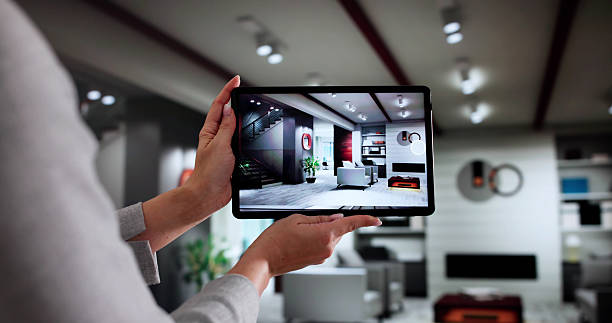
How Digital Home Tours Are Changing Buyer Expectations
Key Takeaways
- Digital home tours offer immersive experiences, allowing buyers to explore properties remotely.
- Listings with virtual tours receive significantly more engagement than those without.
- Buyers increasingly prefer self-guided tours, emphasizing the need for flexible viewing options.
- Virtual tours enhance transparency, building trust between buyers and sellers.
- The integration of advanced technologies like AI and VR is further elevating the home-buying experience.
In the ever-evolving real estate landscape, digital home tours have become an indispensable tool, fundamentally altering how buyers approach property searches and shape expectations for potential homes. This modern approach to home shopping meets the growing demand for convenience and transparency, allowing buyers to immerse themselves in properties from anywhere in the world. As a result, the role of a knowledgeable local agent, like Atlanta, GA, real estate agent Chase Mizell, has also evolved to include guiding clients through these cutting-edge platforms and maximizing the value of virtual showings.
Digital tours address many of the challenges traditionally associated with real estate, such as time constraints and the need to coordinate schedules for in-person visits. Buyers now expect to preview properties in detail before setting foot onto the premises. This shift is not just a passing trend but a fundamental change in buyer behavior that is influencing how homes are marketed and sold today.
The Rise of Virtual Tours in Real Estate
Digital home tours are rapidly becoming the gold standard for property listings. According to a report, homes with virtual tours receive significantly more engagement than listings without them, highlighting buyers’ clear preference for interactive experiences. These tours allow buyers to move through spaces at their own pace, revisit features, and share experiences with other decision-makers remotely—a key advantage in today’s busy world.
This increased engagement is not just a result of novelty; it relates to the value digital tours provide in making decision-making faster and easier. Virtual tours enable a realistic sense of scale and flow, helping buyers form a more complete understanding of a home’s layout before investing time in an in-person showing. As a result, sellers can stand out in a crowded market, saving time for all parties involved.
Enhanced Buyer Engagement
One of the most significant advantages of digital home tours is the level of buyer engagement they drive. Interactive walkthroughs let prospective buyers pause, examine details, and get a genuine feel for how they might use the space. This personal connection often translates to more motivated and informed buyers. For sellers and agents, this elevated buyer engagement means higher-quality showings and fewer wasted appointments. When a buyer books an in-person visit after a virtual tour, they’re likely more serious, saving everyone involved valuable time.
Self-Guided Tours: A Growing Preference
As buyers embrace technology, they’re seeking greater autonomy in their real estate journeys. Reports indicate a growing preference among buyers to tour homes on their own schedule rather than fit into an agent’s calendar or attend crowded open houses. Self-guided digital tours cater to these preferences by providing 24/7 access and eliminating geographic barriers.
This independence is especially valuable for relocating buyers, those with tight schedules, or families who want to revisit property features multiple times before making big decisions. For agents, providing access to these self-guided options signals a customer-centric approach that can foster lasting client relationships.
Building Trust Through Transparency
Virtual tours inherently offer a high level of transparency, which helps build trust—a crucial factor in any real estate transaction. By allowing buyers to examine every nook and cranny, digital tours visually minimize ambiguity and reduce the risk of hidden surprises. This upfront honesty alleviates buyer anxiety and paves the way for more confident, good-faith negotiations between buyers and sellers.
Technological Advancements Elevating Experiences
The marriage of artificial intelligence (AI) and virtual reality (VR) is driving the next evolution in digital home marketing. Technologies like AI-powered staging can suggest furniture arrangements or visualize room changes, making it easier for buyers to imagine themselves in a space. VR headsets allow users to “walk” through homes in 3D, opening new doors to accessibility and creative expression.
These advances make digital tours highly customizable and immersive, catering to tech-savvy clients and raising the bar for listing presentations in all price ranges.
Impact on Suburban Markets
While urban markets initially led the charge, suburban and even rural areas are witnessing the positive impact of virtual home tours. MLS data reveals that listings with 3D walkthroughs in suburban neighborhoods can attract up to 45% more views than those relying on standard photos, reflecting changing buyer expectations even outside major city centers. By bringing homes directly to buyers’ screens regardless of location, agents can access broader audiences and help sellers tap into larger buyer pools.
Conclusion
Digital home tours have ushered in a new era for real estate, offering buyers unmatched convenience, control, and confidence in their purchase journeys. As technologies like AI and VR become more accessible, expectations will only continue to rise. For agents, sellers, and buyers alike, embracing the new digital toolkit is key to thriving in today’s competitive, hyper-connected housing market.