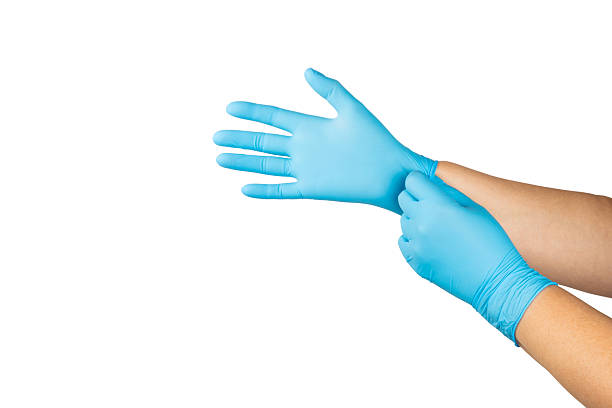
The Unsung Hero of the Workplace: A Deep Dive into 5 Mil Nitrile Gloves
In the world of personal protective equipment (PPE), few items are as ubiquitous yet overlooked as the disposable glove. Whether you are rebuilding a transmission, sanitizing a hospital room, or prepping a commercial kitchen line, the thin barrier on your hands is the only thing separating you from hazardous chemicals, biological contaminants, and stubborn grime.
For years, professionals have struggled with a “Goldilocks” problem. Standard 3-mil gloves offer great dexterity but tear the moment they snag on a bolt. Heavy-duty 8-mil or 10-mil gloves offer tank-like protection but leave your hands feeling stiff, fatigued, and unable to manage fine details.
Enter the solution that has taken the industrial and medical worlds by storm: the 5 mil nitrile glove. specifically, brands like the 5 MilGlove have redefined what users should expect from their daily disposables. This thickness represents the perfect equilibrium—strong enough to withstand the rigors of an industrial shift, yet tactile enough to feel the threads of a screw.
In this guide, we will explore why 5 mil is the industry standard, analyze the specific benefits of the “5 MilGlove” brand, and explain the crucial differences between industrial and medical-grade options like the “VersaFlex.”
The Science of Thickness: What is a “Mil”?
To understand why 5 mil gloves are superior for most tasks, one must first understand how they are measured. Glove thickness is measured in mils. One mil is equal to one-thousandth of an inch (0.001 inch).
While that sounds microscopic, in the world of elastomers (like nitrile), a difference of just two mils changes everything.
- 3-4 Mil (Economy/Exam): These are the standard gloves found in light-duty environments. They are cost-effective and offer “bare hand” sensitivity. However, their tensile strength is lower. If you pull them on too hard, they rip at the cuff. If you snag them on a rough edge, they burst.
- 6-8+ Mil (Heavy Duty): These are specialized gloves. They are excellent for handling harsh solvents for extended periods but are often overkill for general tasks. They can cause hand fatigue because the material resists the natural flexing of your fingers.
The 5 Mil Sweet Spot: A 5 mil glove creates a barrier that is roughly 60% thicker than a standard economy glove. This additional thickness provides a significantly higher “breakthrough time” for chemicals and a much higher resistance to punctures. Yet, modern nitrile formulations allow a 5 mil glove to retain the elasticity and fit of a thinner glove. It is the versatile workhorse of the glove world.
Why Nitrile? The Material Advantage
Before looking at specific brands, it is worth noting why the industry has shifted almost entirely to nitrile, leaving latex and vinyl behind.
- Chemical Resistance: Nitrile (acrylonitrile butadiene) is a synthetic rubber copolymer. It is naturally resistant to oils, greases, gasoline, and many acids. Natural latex, by comparison, degrades quickly when exposed to petroleum-based products.
- Allergy Safety: Latex allergies are a serious concern in both medical and public-facing industries. Nitrile is 100% latex-free, eliminating the risk of anaphylactic reactions for the wearer and the people they interact with.
- Puncture Indication: When latex tears, it often happens microscopically (pinholes). When nitrile tears, it tends to split visibly. This is a safety feature, as it immediately alerts the wearer that their barrier has been compromised.
Product Spotlight: The “5 MilGlove”
When discussing this category, the 5 MilGlove brand serves as a prime example of how manufacturing advancements have improved user experience. Designed specifically for industrial applications, this glove addresses the common pain points found in automotive, janitorial, and manufacturing sectors.
Here is a breakdown of why this specific glove profile has become a favorite among professionals.
1. Industrial Grade Durability
The term “Industrial Grade” isn’t just marketing fluff; it indicates the glove is built for physical labor. The 5 MilGlove is engineered to withstand abrasion. For mechanics, this is non-negotiable. When working inside an engine bay, hands are constantly rubbing against metal hoses, plastic clips, and rusted bolts. A standard exam glove would shred in minutes. The 5 MilGlove maintains its integrity, protecting the skin from grease, oil, and brake fluid (which is notoriously corrosive).
2. The Grip Factor: Fully Textured Surfaces
One of the biggest dangers in manual labor is a loss of grip. If you are handling a heavy, oil-slicked component and your glove is smooth, the part can slip, leading to injury or damage.
Many budget gloves only texture the fingertips. The 5 MilGlove, however, features a fully textured exterior. This micro-roughened surface extends across the palm and fingers, increasing the coefficient of friction. This means you can hold onto wet or oily tools with significantly less grip force, reducing the strain on your forearm muscles over a long day.
3. Powder-Free Hygiene
In the past, gloves were powdered with cornstarch to make them easier to put on. However, this powder can contaminate wet paint, interfere with adhesives, and harbor bacteria in food settings. The 5 MilGlove is powder-free, utilizing a polymer coating or chlorination process to ensure they slide on easily without leaving a messy residue behind.
4. Color Psychology: Black vs. Blue
The 5 MilGlove series typically comes in two distinct colors, each serving a specific industry function:
- Black Nitrile: Ideally suited for automotive and industrial work. Oil, grease, and grime blend into the black color. This maintains a cleaner, more professional appearance for the customer. If a mechanic walks out to greet a customer with black gloves, they look professional; if they walk out with light blue gloves covered in brown grease, they look dirty.
- Blue Nitrile: The standard for food processing and janitorial work. High visibility is key here. If a piece of a glove were to accidentally tear off and fall into food (a rare occurrence with 5 mil nitrile), the blue color contrasts sharply with organic food colors, making it easy to spot and remove.
The Medical Counterpart: Understanding “VersaFlex”
While the 5 MilGlove dominates the industrial space, there are environments that require a different certification. This is where the VersaFlex line comes into play.
VersaFlex gloves share the same physical advantages—5 mil thickness, nitrile construction, and texturing—but they carry the Medical Grade (Exam Grade) designation.
What is the Difference?
The difference lies in the AQL (Acceptable Quality Level) testing.
- Industrial Gloves: Tested primarily for durability and chemical resistance.
- Medical/Exam Gloves (VersaFlex): Undergo rigorous testing for pinholes to ensure a barrier against biological pathogens (bacteria and viruses). To be labeled “Exam Grade,” the manufacturing lot must have a lower AQL score (meaning fewer defects per batch) to meet FDA standards for patient care.
VersaFlex is the ideal choice for:
- Tattoo Artists: Who need the durability of a 5 mil glove but require the biological protection of a medical glove.
- Healthcare Providers: Dentists, EMTs, and doctors who feel that standard 3 mil gloves are too flimsy for certain procedures.
- First Responders: Who encounter unknown hazards and need a thicker barrier than standard hospital gloves provide.
The Economics of Durability
A common mistake procurement managers and business owners make is buying based on the “price per box” rather than the “price per task.”
A box of 3-mil economy gloves might be cheaper upfront. However, consider the workflow of a detailer or a line cook.
- Scenario A (Economy Glove): The user puts on a glove. It rips at the cuff. They throw it away. They put on a second glove. Halfway through the job, the fingertip wears through. They change gloves again. Total gloves used: 3.
- Scenario B (5 MilGlove): The user puts on the glove. The beaded cuff prevents ripping. The thicker nitrile withstands the abrasion of the task. The user completes the job with the same pair. Total gloves used: 1.
By switching to a 5 mil option, businesses often reduce their overall waste and consumption volume, resulting in long-term savings despite the slightly higher cost per box.
Food Safety Implications
While we often associate 5 mil gloves with mechanics, they are becoming increasingly popular in the food industry.
The 5 MilGlove is FDA Accepted for Food Contact. In commercial kitchens, cross-contamination is the enemy. Handling raw poultry, acidic marinades, and hot peppers requires a reliable barrier. Standard vinyl gloves (often used in food service) are loose-fitting and prone to leaking.
A 5 mil nitrile glove fits snug to the hand, preventing liquids from seeping inside. The texturing allows chefs to handle slippery items (like fish or butchered meat) with precision, reducing knife accidents. Furthermore, because nitrile is more resistant to animal fats than natural rubber, the gloves do not break down and become sticky during long prep sessions.
Conclusion: The Verdict on 5 Mil Nitrile
The evolution of disposable gloves has reached a peak with the 5 mil nitrile standard. It is the ultimate hybrid, borrowing the tactile sensitivity of thin exam gloves and the rugged durability of heavy-duty safety gear.
For those in the industrial sector, the 5 MilGlove brand offers a tailored solution: aggressive texturing, professional color options, and a resistance to tearing that keeps work moving efficiently. For those managing biological risks, the VersaFlex offers that same physical robustness with the added assurance of Exam Grade certification.
Whether you are protecting your hands from engine sludge, harsh cleaning chemicals, or biological hazards, upgrading to a 5 mil thickness is an investment in safety, comfort, and efficiency. It turns a disposable commodity into a genuine tool of the trade.
How to Choose the Right 5 Mil Glove for You
If you are ready to make the switch, use this quick checklist to ensure you select the right variation for your needs:
- Check the Grade: Do you need protection from bloodborne pathogens? Choose VersaFlex (Medical Grade). Are you dealing with grease, paint, or food? Choose 5 MilGlove (Industrial Grade).
- Check the Texture: Ensure the glove is “fully textured” or at least has “textured fingertips” to ensure safety when working with liquids.
- Check the Fit: Nitrile stretches, but a proper fit prevents hand fatigue. A 5 mil glove should feel snug like a second skin, not loose like a bag.
- Check the Composition: Always verify the glove is “Powder-Free” and “Latex-Free” to minimize allergy risks and surface contamination.
By prioritizing quality and the correct thickness, you ensure that your hands—your most valuable tools—remain safe, clean, and capable.