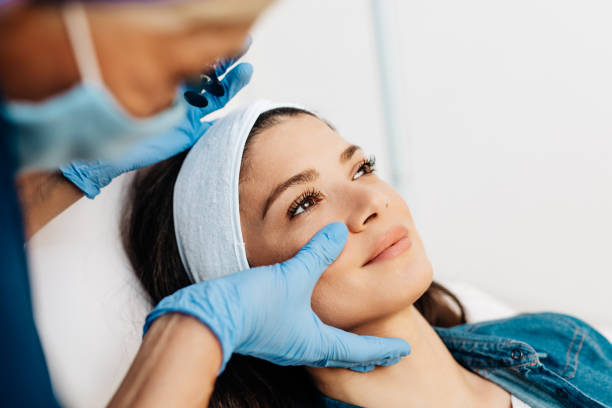
A Deep Dive into Dermatology
The skin is the largest and most visible organ of the human body, serving as a dynamic interface between the internal biological environment and the external world. DERMATOLOGY is the specialized branch of medicine focused on the health of the skin, as well as the hair, nails, and delicate mucous membranes. While often perceived through a cosmetic lens, the skin performs critical physiological functions, including thermoregulation, sensory perception, and immune defense. Because skin conditions can be outward manifestations of systemic internal diseases, the role of the dermatologist is essential in both primary health maintenance and complex diagnostic medicine.
A dermatologist is a medical doctor who has undergone extensive residency training to manage more than 3,000 different conditions. These range from common issues like acne and eczema to life-threatening malignancies like melanoma. Modern dermatology has evolved significantly, integrating advanced surgical techniques, laser technology, and immunomodulatory drugs to treat patients of all ages, from newborns to the elderly.
The Anatomy of Skin Health
To understand dermatological pathology, one must first appreciate the three primary layers of the skin. The epidermis is the outermost layer, providing a waterproof barrier and creating our skin tone. Below it lies the dermis, which contains tough connective tissue, hair follicles, and sweat glands. The deepest layer is the hypodermis (subcutaneous tissue), made of fat and connective tissue that attaches the skin to the underlying bone and muscle.
Any disruption in the cellular turnover or the structural integrity of these layers can lead to disease. For instance, an overproduction of skin cells can lead to psoriasis, while a breakdown in the skin’s barrier function often results in atopic dermatitis. Institutions such as Liv Hospital provide a comprehensive approach to these issues, utilizing specialized laboratories to analyze skin biopsies and determine the exact cellular origin of a patient’s symptoms.
Major Categories of Dermatological Conditions
The field of DERMATOLOGY is broadly categorized into medical, surgical, and cosmetic subspecialties.
- Inflammatory Conditions: This category includes chronic diseases such as acne, rosacea, and various forms of dermatitis. These conditions are often driven by a combination of genetics, hormonal fluctuations, and environmental triggers.
- Infectious Diseases: The skin is susceptible to bacterial (impetigo), viral (warts and herpes), and fungal (ringworm) infections. Because the skin is the first line of defense, a breach in the barrier can allow these pathogens to enter the deeper tissues.
- Autoimmune Disorders: Conditions like vitiligo, where the immune system attacks pigment-producing cells, or bullous pemphigoid, which causes severe blistering, require sophisticated immunosuppressive or biologic treatments.
- Skin Cancer: This is a major focus of clinical dermatology. Basal cell carcinoma and squamous cell carcinoma are the most common forms, usually linked to cumulative sun exposure. Melanoma, while less common, is much more dangerous due to its ability to spread rapidly to other organs.
The Science of Skin Cancer Screening and Prevention
Early detection is the most significant factor in surviving skin cancer. Dermatologists utilize a technique called dermoscopy, using a specialized magnifying tool to see beneath the surface of the skin and identify suspicious patterns in moles that are invisible to the naked eye. The “ABCDE” rule (Asymmetry, Border, Color, Diameter, and Evolving) remains a vital self-screening tool, but professional annual skin exams are recommended for individuals with a history of sun damage or a family history of skin cancer.
Prevention is heavily centered on ultraviolet (UV) protection. Broad-spectrum sunscreens, protective clothing, and the avoidance of tanning beds are non-negotiable for long-term skin health. It is a medical misconception that individuals with darker skin tones are immune to UV damage; while they have more natural melanin protection, they are still at risk for skin cancers that are often diagnosed at later, more dangerous stages.
Innovations in Dermatological Treatment
The treatment landscape has been transformed by the advent of biologics and laser medicine. For patients with severe psoriasis or eczema who previously had few options, biologic drugs now target specific parts of the immune system to clear the skin with minimal side effects.
In surgical dermatology, Mohs Micrographic Surgery has become the gold standard for removing skin cancers in sensitive areas like the face. This technique involves removing thin layers of skin and examining them under a microscope in real-time until only cancer-free tissue remains, ensuring the highest cure rate while preserving the maximum amount of healthy skin. Additionally, laser therapy is used not just for aesthetics, but for treating vascular birthmarks, scarring, and certain precancerous lesions.
The Connection Between Skin and Systemic Wellness
The skin often acts as a mirror for what is happening inside the body. For example, sudden adult-onset acne can signal an endocrine disorder, while certain rashes can be the first sign of internal inflammation or nutritional deficiencies. Consequently, dermatologists often work closely with rheumatologists, endocrinologists, and gastroenterologists to provide holistic care.
Maintaining vibrant skin requires a multifaceted approach that combines professional medical care with daily self-regulation. Factors such as gut health, hydration, and the management of oxidative stress play a visible role in the aging process and the skin’s ability to repair itself. Integrating a nutrient-dense diet and high-quality sleep into one’s routine provides the biological foundation for cellular regeneration. For those seeking to explore the intersection of clinical science and mindful living, resources at live and feel offer comprehensive insights into how lifestyle choices can enhance the health and appearance of the body’s most external layer.