How Smart Roofing Choices Can Reduce Business Costs
Key Takeaways
- Energy-efficient roofing materials can reduce cooling costs by up to 40%.
- Regular maintenance extends roof lifespan and prevents costly repairs.
- Integrating innovative technologies enables proactive maintenance and energy management.
Business owners continuously seek ways to lower operational expenses and boost productivity. One often-overlooked area is the roof overhead: choosing the right roofing system can have a powerful impact on utility bills, maintenance costs, and a property’s long-term value. By implementing energy-efficient materials, diligently maintaining them, and leveraging new technologies, businesses can realize substantial savings. As you explore options for your next project, consider partnering with a reputable commercial roofing company Orlando, FL, to ensure the optimal outcome for your property and budget.
Today’s market offers a variety of advanced roofing solutions designed to create long-term savings and increased operational efficiency. Selecting the best materials and staying current with inspection routines not only prevents costly repairs but also extends the life of a roof system. Innovative businesses understand that informed decisions now lead to reduced spending for years to come.
Another vital element in this equation is new technology: smart sensors, artificial intelligence, and energy-generating features are transforming how businesses approach maintenance and energy use. For organizations aiming to combine sustainability with savings, these practical investments can pay dividends far beyond their initial installation cost.
As you consider your roofing options, remember that the focus should be not only on immediate costs but on the total cost of ownership—factoring in longevity, efficiency, and future upgrades. Informed roofing investments protect your bottom line just as much as your inventory and equipment.
Energy-Efficient Roofing Materials
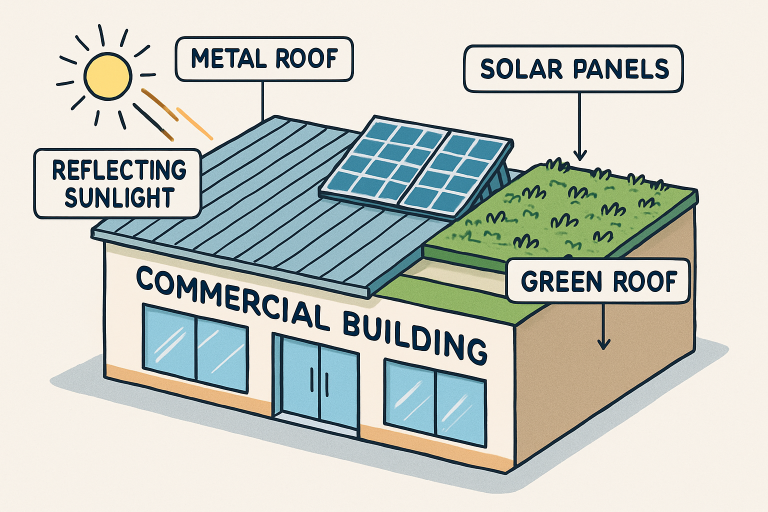
Modern energy-efficient roofing systems often use materials that provide better insulation and increased solar reflectance. Metal roofs, for instance, are highly durable, weather-resistant, and especially effective at reflecting sunlight—helping reduce cooling costs by as much as 40%. Many of these roofs are made from recycled materials, adding a sustainability bonus. Another popular choice is cool roofing membranes, which are engineered to enhance thermal emittance and minimize heat absorption. These systems can be particularly effective in climates with intense sunlight, resulting in measurable savings on energy costs year after year. According to the U.S. Department of Energy, even minor improvements in roof reflectivity can have a notable impact on building energy use.
Regular Maintenance and Inspections
Establishing a routine for roof inspections is crucial for preventing minor problems from ballooning into major expenses. While annual inspections—typically ranging from $300 to $570—may appear to add to operational expenses, they help businesses avoid issues such as leaks, water damage, and insulation failures that can result in much greater losses. Experienced professionals can identify weak spots and recommend timely repairs, safeguarding the building’s structural integrity and ensuring year-round performance.
Regular cleaning and debris removal also play an essential role. Accumulated organic waste or ponding water can accelerate wear, leading to premature aging and costly repairs. By remaining proactive, businesses can sustain the value and lifespan of their roofing investment.
Smart Roofing Technologies
Innovations in roofing technology are transforming what roofs can do for a business. Smart roofs integrate IoT sensors and artificial intelligence to provide facility managers with real-time data on roof conditions—alerting staff to issues such as water intrusion, localized heating, or compromised insulation before they cause significant damage. These systems can automate maintenance reminders, track performance changes, and even integrate with broader building management systems.
This proactive approach reduces unplanned downtime and helps maximize return on investment by catching problems early. Smart roofing solutions prevent minor issues from becoming costly emergencies, preserving business continuity and protecting valuable assets.
Solar Roofing Solutions
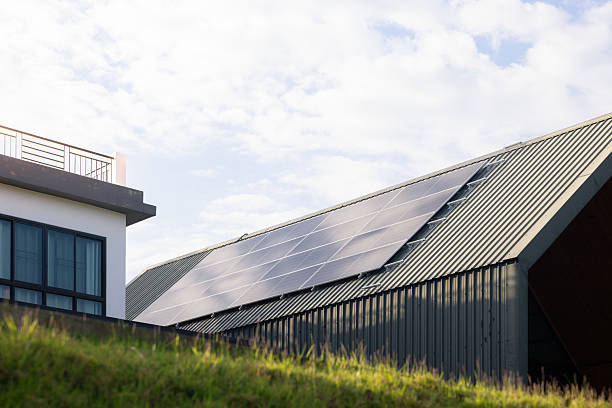
Solar-enabled roofing is a prime example of how innovation can pay off. Advanced solar shingles and panels can be installed on commercial roofs, allowing businesses to offset electricity use and take advantage of renewable energy incentives. Unlike traditional panels, solar shingles are designed to blend aesthetically into the building’s design while generating power.
The long-term benefits include decreased utility bills, potential backup power during grid outages, and a reduced carbon footprint. Many businesses also benefit from increased property value and a positive brand image due to their commitment to sustainability.
Green Roofing Systems
Green roofs, which incorporate living vegetation atop the waterproofing membrane, have surged in popularity in recent years. These systems improve building insulation, help manage stormwater runoff, and reduce heating and cooling costs by moderating roof surface temperature. They offer significant environmental benefits while doubling or even tripling the lifespan of the underlying roofing materials through added protection from the sun and weathering. According to the EPA, green roofs are an effective strategy for reducing urban heat islands, helping cities stay cooler while enhancing sustainability.
While the initial investment may be higher, the returns are multifaceted: energy savings, tax breaks, and reduced stormwater management costs. This approach is especially valuable for businesses in urban or high-density settings where green space is at a premium.
Financial Incentives and Tax Benefits
The federal government and many local agencies provide attractive incentives for adopting energy-saving roofing solutions. The Investment Tax Credit (ITC), for example, allows businesses to deduct a significant percentage of the cost of installing solar technology from their taxes, making solar an even more appealing investment. Depending on project size and location, additional rebates and grants may be available, reducing the effective upfront cost further and maximizing long-term savings.
Conclusion
Investing in smart roofing choices is a strategic move for any business looking to reduce expenses and safeguard its facilities. By prioritizing materials with superior insulation and reflectivity, maintaining a rigorous inspection schedule, leveraging smart technologies, and taking advantage of financial incentives, businesses can reap significant long-term savings. Innovative roofing isn’t just about cost control—it leads to better sustainability, greater facility value, and improved profitability.