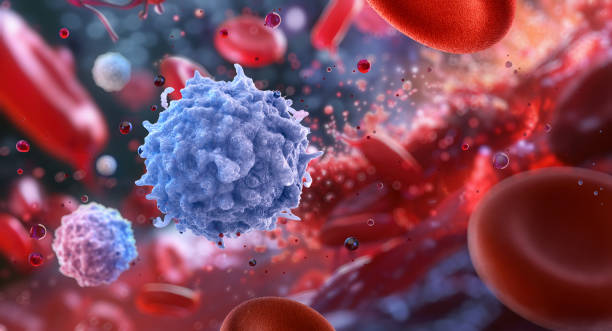
The Vital Fluid: Exploring the Science of Hematology
Blood is often referred to as the “river of life,” a complex fluid that circulates through every corner of the human body, delivering oxygen and nutrients while removing waste products. HEMATOLOGY is the specialized branch of medicine concerned with the study of blood, blood-forming organs, and blood diseases. Because blood interacts with every organ system, hematological health is a critical indicator of overall systemic function. From the production of cells in the bone marrow to the intricate cascade of proteins that prevent bleeding, the field of hematology covers a vast biological landscape that is essential for survival.
A hematologist is a physician who specializes in the diagnosis, treatment, and prevention of disorders of the blood and bone marrow. These specialists manage a wide array of conditions, ranging from common nutritional deficiencies to complex malignancies and rare genetic disorders. Because many blood disorders are chronic or life-threatening, hematologists often work within multidisciplinary teams, collaborating with oncologists, radiologists, and genetic counselors to provide comprehensive care.
The Composition and Function of Blood
To understand hematology, one must first understand the four primary components of blood, each of which serves a distinct and vital purpose:
- Red Blood Cells (Erythrocytes): These are the most numerous cells in the blood. They contain hemoglobin, a protein that binds to oxygen in the lungs and carries it to the rest of the body.
- White Blood Cells (Leukocytes): These cells are the primary defenders of the immune system. They identify and destroy pathogens, such as bacteria, viruses, and fungi.
- Platelets (Thrombocytes): These small cell fragments are essential for blood clotting. When a blood vessel is injured, platelets congregate at the site to form a plug, preventing excessive blood loss.
- Plasma: This is the liquid component of blood, consisting of water, salts, and proteins. It carries the blood cells along with hormones, nutrients, and clotting factors throughout the body.
The production of these components occurs primarily in the bone marrow through a process called hematopoiesis. Any disruption in this production line—whether due to genetic mutations, nutritional lacks, or autoimmune attacks—can lead to significant health challenges.
Common Hematological Disorders
The spectrum of HEMATOLOGY is broadly divided into non-malignant (benign) and malignant conditions.
Non-Malignant Conditions
Anemia is the most prevalent hematological disorder globally. It occurs when the body lacks enough healthy red blood cells or hemoglobin to carry adequate oxygen to the tissues. This can result from iron deficiency, vitamin B12 deficiency, or chronic diseases. Other benign conditions include bleeding disorders like Hemophilia, where the blood fails to clot properly, and thrombophilia, a condition where the blood clots too easily, increasing the risk of deep vein thrombosis or pulmonary embolism.
Malignant Conditions
Hematologic malignancies are cancers that affect the blood, bone marrow, and lymph nodes. These include:
- Leukemia: Cancer that starts in the blood-forming tissue of the bone marrow, leading to the overproduction of abnormal white blood cells.
- Lymphoma: Cancer that affects the lymphatic system, specifically the lymphocytes (a type of white blood cell).
- Myeloma: Cancer of the plasma cells, which are responsible for producing antibodies.
Facilities like Liv Hospital utilize advanced molecular diagnostics and flow cytometry to differentiate between these various subtypes, ensuring that patients receive highly specific treatment protocols tailored to their unique disease profile.
Diagnostic Innovations and Bone Marrow Analysis
The primary tool for a hematologist is the Complete Blood Count (CBC). This routine blood test provides a snapshot of the concentration and health of the various blood cells. When a CBC reveals abnormalities that cannot be explained by common causes, more invasive diagnostic procedures may be required.
A bone marrow aspiration and biopsy involve taking a small sample of the liquid bone marrow and a piece of the bone tissue, usually from the hip bone. This allows hematologists to examine the “factory” where blood cells are made. By looking at the architecture of the marrow and the maturity of the cells within it, doctors can diagnose leukemias, bone marrow failure syndromes, and metastatic cancers that have spread from other organs.
Modern Treatment Frontiers: From Transfusions to Gene Therapy
Treatment in hematology has evolved rapidly over the last decade. While blood transfusions and iron supplementation remain staples for managing anemia, more complex conditions require cutting-edge interventions.
- Bone Marrow and Stem Cell Transplantation: For many blood cancers and bone marrow failures, replacing the diseased marrow with healthy stem cells remains a curative option.
- Targeted Therapies: Modern drugs can now target the specific genetic mutations within cancer cells, such as the BCR-ABL protein in Chronic Myeloid Leukemia (CML), allowing patients to manage their disease with daily oral medication rather than intensive chemotherapy.
- Immunotherapy and CAR-T Cell Therapy: This revolutionary approach involves re-engineering a patient’s own T-cells to recognize and attack cancer cells, providing hope for patients with previously untreatable lymphomas and leukemias.
Holistic Management of Blood Health
The health of the blood is a reflection of the body’s overall state. Nutritional intake, hydration, and the avoidance of environmental toxins play a significant role in supporting healthy hematopoiesis. For instance, adequate intake of folate, iron, and vitamin B12 is non-negotiable for red blood cell production, while maintaining a healthy inflammatory profile supports the proper function of the immune system’s white blood cells.
Managing a hematological condition involves more than just clinical procedures; it requires a commitment to a lifestyle that preserves the integrity of the circulatory and immune systems. For those looking to support their internal health through evidence-based wellness practices, exploring the connection between nutrition, stress management, and cellular vitality is essential. Resources provided by live and feel offer a comprehensive look at how daily habits can foster a balanced internal environment, helping individuals maintain the strength and resilience needed for long-term health.