Choosing the Right Commercial Refrigerator for Small Cafés
Running a small café comes with unique challenges, and one of the most important decisions is selecting the right commercial refrigerator. A refrigerator in a café is not just a place to store ingredients; it plays a vital role in maintaining food safety, ensuring consistent product quality, and helping staff work efficiently. For small businesses, space and energy use are also important considerations. Understanding the different types of commercial refrigerators and how to choose one suitable for a small café can make a significant difference in day-to-day operations.
Why a Commercial Refrigerator Matters in a Small Café
Unlike a home refrigerator, a commercial refrigerator is designed for heavy use. It must handle frequent door openings, store large quantities of perishable items, and maintain a consistent temperature throughout the day. Using the wrong type of refrigerator can lead to uneven cooling, increased energy costs, and spoilage of ingredients, which ultimately affects the café’s ability to serve customers effectively.
For small cafés, the challenge is to find a refrigerator that provides enough storage capacity while fitting into limited space. A small commercial refrigerator or compact fridge for a café can provide the right balance between size, functionality, and efficiency. In addition, certified appliances like UL refrigerators offer a level of safety and reliability that is particularly important in a busy commercial kitchen.
Types of Commercial Refrigerators Suitable for Small Cafés
Small cafés often require refrigerators that are compact but versatile. Here are some options that are commonly used in small business settings:
Under-Counter Commercial Refrigerators
Under-counter commercial refrigerators are designed to fit under a counter or worktable, making them ideal for cafés with limited floor space. They allow staff to access ingredients quickly without leaving the prep area. These refrigerators often come with adjustable shelves to organize different types of products, such as dairy, beverages, or pre-prepared foods. An under-counter commercial refrigerator can also serve as a prep station for sandwiches, salads, or other menu items.
Reach-In Refrigerators
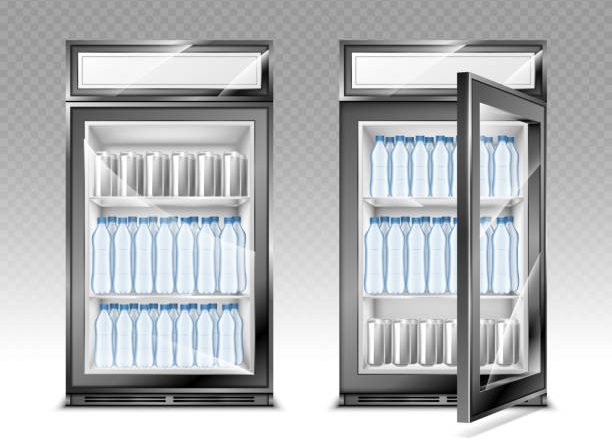
Reach-in refrigerators are taller units with one or more doors, offering more storage capacity compared to under-counter models. Although they take up more space, they allow small cafés to store bulk ingredients and prepped items efficiently. Some models are compact in width while providing tall storage, making them suitable for kitchens with limited floor space but higher vertical room.
Small Business Commercial Fridges
These refrigerators are designed for small business operations, offering the right balance between storage capacity, energy efficiency, and size. Small business commercial fridges may include features like adjustable shelves, digital temperature control, and energy-saving compressors. For cafés, these features help maintain product quality and reduce operational costs over time.
UL-Certified Refrigerators
Safety and reliability are critical in a commercial kitchen. UL refrigerators are tested and certified to meet strict safety standards. For small cafés, choosing a UL-certified refrigerator ensures that the appliance complies with electrical safety requirements, reducing the risk of hazards in a busy kitchen environment. In addition, UL certification often indicates that the refrigerator has undergone rigorous performance and durability testing, making it a dependable choice for continuous use.
Factors to Consider When Choosing a Commercial Refrigerator
Selecting the right refrigerator involves more than just choosing the right size. Several factors should be considered to ensure the appliance meets the needs of a small café:
Space and Layout
The available space in the kitchen will determine which type of refrigerator can fit comfortably. Under-counter refrigerators are ideal for maximizing workspace, while reach-in models may require more floor space but offer greater storage capacity. Careful measurement of kitchen space and consideration of workflow are essential to avoid obstructing staff movement or workstations.
Storage Capacity
Even a small café needs to store a variety of ingredients, from fresh produce to dairy, beverages, and prepared items. It is important to estimate the volume of items that need to be stored on a daily basis and select a refrigerator that can accommodate these needs without overcrowding. Compact fridges for cafés often provide adjustable shelves, allowing staff to customize storage for different product sizes.
Energy Efficiency
Energy consumption is a significant consideration for small businesses. Refrigerators operate continuously, so choosing an energy-efficient commercial refrigerator can reduce utility costs over time. Look for models that use modern compressors, LED lighting, and advanced insulation to minimize energy use. Some UL refrigerators also provide energy efficiency ratings or labels to guide your selection.
Temperature Control
Maintaining consistent temperatures is crucial to food safety and quality. Digital temperature controls allow precise adjustments and help staff monitor conditions easily. Refrigerators with consistent cooling prevent spoilage, extend the shelf life of ingredients, and maintain product quality for customers.
Durability and Maintenance
Commercial refrigerators are designed for heavy use, but even durable appliances require maintenance. Stainless steel interiors and exteriors are common in commercial fridges because they are easy to clean and resistant to wear. It is also important to consider access to service and parts, especially for small businesses that cannot afford downtime.
Noise Levels
In a small café, noise from appliances can affect the customer experience. Some compact fridges for cafés are designed to operate quietly while maintaining performance. Evaluating noise levels may be particularly important if the refrigerator is placed near customer seating or an open kitchen area.
Placement and Workflow Considerations
The location of a refrigerator in a small café can affect both efficiency and food safety. Placing an under-counter commercial refrigerator near the prep area reduces the time staff spend moving between stations. Similarly, having beverages or frequently used items in a reach-in refrigerator close to the serving area can speed up service.
Ventilation is another key consideration. Commercial refrigerators require adequate airflow around the unit to operate efficiently. Crowding the appliance or placing it too close to walls may increase energy consumption and reduce performance. Ensuring proper spacing and following manufacturer guidelines helps maintain the refrigerator’s efficiency and longevity.
Common Challenges for Small Cafés
Small cafés often face challenges that larger businesses may not encounter. Limited space, fluctuating customer demand, and tight budgets can make choosing the right commercial refrigerator difficult. Compact fridges for cafés must be versatile enough to handle peak hours while remaining energy-efficient.
Another challenge is balancing storage capacity with speed of access. Staff need to reach ingredients quickly, especially during busy periods. Under-counter refrigerators and well-organized small business commercial fridges help streamline workflow and reduce errors during service.
Tips for Maintaining Your Commercial Refrigerator
Proper maintenance can extend the life of a commercial refrigerator and ensure consistent performance. Some key practices include:
- Regular Cleaning: Keep the interior, shelves, and door seals clean to prevent bacteria growth and maintain hygiene.
- Check Door Seals: Inspect door gaskets regularly for wear and tear. Leaky seals allow cold air to escape, increasing energy use.
- Monitor Temperature: Use a thermometer or digital display to ensure the refrigerator stays within safe temperature ranges.
- Schedule Professional Service: Regular maintenance checks by a qualified technician can prevent major issues and maintain efficiency.
Conclusion
Choosing the right commercial refrigerator for a small café is more than a matter of selecting an appliance—it is a decision that impacts food safety, operational efficiency, energy costs, and customer satisfaction. Small cafés can benefit from under-counter refrigerators, compact fridges, UL-certified models, or small business commercial fridges depending on their space and workflow needs.
When evaluating options, consider space, storage capacity, energy efficiency, temperature control, durability, and noise levels. Thoughtful placement and proper maintenance further enhance the value of your investment. By understanding the specific needs of a small café and selecting a suitable commercial refrigerator, café owners can ensure smooth operations, maintain high-quality food, and provide a positive experience for their customers.
For small business owners, investing in a commercial refrigerator is a practical step toward efficient, safe, and sustainable café operations. With careful planning, the right appliance can support both the kitchen staff and the business’s long-term success.