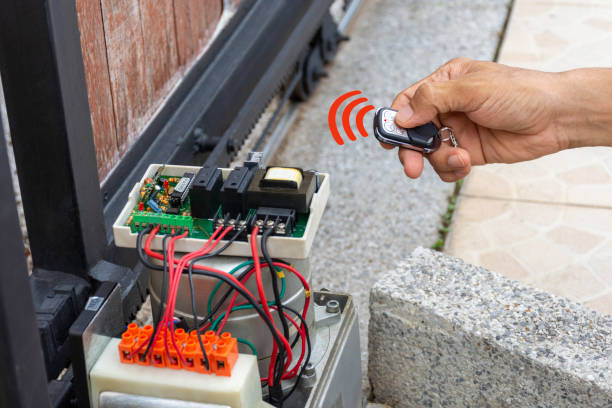
How to Maintain and Repair an Electric Gate Opener
Electric gate openers provide convenience, security, and automation for residential and commercial properties. Like any mechanical or electronic system, regular maintenance and occasional repairs are essential to ensure reliable operation. Understanding how to care for your electric gate opener can extend its lifespan, improve safety, and reduce the need for costly repairs. This guide covers gate opener maintenance, electric gate troubleshooting, and repair tips for common issues.
Importance of Gate Opener Maintenance
Routine maintenance is key to keeping an electric gate opener functioning smoothly. Without proper care, wear and tear on mechanical and electrical components can lead to malfunctions, reduced efficiency, and safety hazards. Regular inspection can help detect small issues before they become serious problems.
Some essential maintenance tasks include:
- Cleaning and lubrication: Dirt, dust, and debris can accumulate on the gate tracks, rollers, and hinges. Clean these areas and apply appropriate lubricants to moving parts to prevent friction and wear.
- Checking alignment: Ensure the gate is properly aligned and moves smoothly along its track or swings without obstruction. Misalignment can put extra strain on the motor and gears.
- Inspecting electrical connections: Loose or corroded wiring can cause intermittent operation or complete failure. Check for secure connections and signs of damage.
- Testing safety features: Sensors, photo eyes, and automatic stop functions are essential for preventing accidents. Test these features regularly to confirm they work correctly.
- Battery and power checks: If your gate uses a battery backup or solar power, verify that batteries are charged and in good condition. Replace old batteries when needed.
Common Electric Gate Issues and Troubleshooting
Even with regular maintenance, electric gates may encounter problems. Being able to identify and troubleshoot common issues can save time and prevent further damage.
1. Gate Does Not Open or Close
If the gate does not respond, consider the following:
- Power supply: Check if the gate motor is receiving power. Inspect fuses, circuit breakers, and switches.
- Remote control: Verify that the remote or keypad batteries are working and within range.
- Obstructions: Ensure the gate path is clear of debris, snow, or objects that could block movement.
- Manual release: Many electric gates have a manual release lever. Test the gate manually to determine if the problem is electrical or mechanical.
2. Slow or Uneven Gate Movement
Slow movement can indicate mechanical resistance or motor strain. Check for:
- Dirty or damaged tracks and rollers: Clean and lubricate moving parts.
- Worn gears or chains: Inspect for signs of wear and replace if necessary.
- Motor issues: Overheated or old motors may lose efficiency. Allow the motor to cool or schedule maintenance.
3. Gate Stops Suddenly or Reverses Unexpectedly
This often involves safety sensors or obstruction detection systems:
- Sensor alignment: Photo eyes or infrared sensors must be properly aligned and free from debris.
- Obstruction detection: Some gates reverse if they detect resistance. Check for obstacles and mechanical binding.
- Electrical interference: Nearby electrical devices or faulty wiring can trigger false reversals. Inspect wiring for damage or loose connections.
4. Unusual Noises
Grinding, squeaking, or banging noises usually indicate mechanical problems:
- Lubrication needed: Apply suitable lubricants to hinges, rollers, and tracks.
- Loose components: Tighten bolts, screws, and mounting hardware.
- Worn parts: Replace worn gears, rollers, or bearings to prevent further damage.
Gate Motor Repair Tips
The gate motor is one of the most critical components of an electric gate opener. Proper care and timely repairs ensure long-term performance:
- Inspect motor housing: Check for water ingress, corrosion, or physical damage. Keep the motor protected from weather when possible.
- Clean ventilation areas: Ensure the motor’s cooling vents are not blocked by dirt or debris. Overheating can shorten motor life.
- Check motor brushes: If your motor uses brushes, inspect them for wear and replace if necessary.
- Monitor motor temperature: Allow the motor to cool if it overheats during repeated operation. Overheating can lead to permanent damage.
DIY vs Professional Repair
While basic maintenance and minor troubleshooting can be handled at home, certain repairs may require professional expertise:
- Electrical repairs: Handling high-voltage components or motor wiring can be dangerous. Hire a qualified technician for safety.
- Complex mechanical repairs: Replacing major gear systems, chains, or motors often requires specialized tools and experience.
- System upgrades: Installing new control boards, safety sensors, or automation features is best left to professionals to ensure proper integration.
Safety Considerations
When maintaining or repairing an electric gate opener, safety should always come first:
- Disconnect power: Always turn off the power supply before performing any maintenance.
- Use proper tools: Avoid improvising with incorrect tools that may cause injury or damage.
- Follow manufacturer guidelines: Each gate system may have unique maintenance and repair requirements. Refer to the user manual for instructions.
- Protective gear: Wear gloves and safety glasses when working with mechanical parts or electrical components.
Preventive Maintenance Schedule
To reduce the likelihood of breakdowns, create a preventive maintenance schedule:
- Monthly: Clean tracks, inspect safety sensors, check for obstructions, test operation.
- Quarterly: Lubricate hinges, rollers, and moving parts; inspect wiring and connections.
- Annually: Test motor performance, check battery backup systems, review safety devices, and schedule professional inspection if needed.
Regular preventive maintenance helps identify potential issues early, reduces repair costs, and extends the life of your electric gate opener.
Conclusion
Maintaining and repairing an electric gate opener involves a mix of routine care, troubleshooting, and timely repairs. By understanding gate opener maintenance, electric gate troubleshooting techniques, and gate motor repair tips, homeowners and property managers can ensure smooth, reliable operation.
An electric gate system offers convenience, safety, and automation, but it requires attention to function at its best. Whether it’s cleaning tracks, lubricating components, inspecting wiring, or addressing motor issues, consistent care can prevent unexpected failures and improve the longevity of your system.
With the right knowledge and safety precautions, maintaining and repairing an electric gate opener becomes manageable, keeping your property secure and automated for years to come.