Simple Tips to Prevent Hidden Water Leaks in Your Home
Key Takeaways
- Consistent inspections and timely maintenance are crucial for identifying issues before they escalate.
- Upgrading fixtures and embracing new technologies significantly lessens the risk of water damage.
- Awareness of warning signs helps in early leak detection and swift intervention.
Table of Contents
- Regularly Inspect Plumbing Fixtures and Appliances
- Maintain Your Roof and Gutters
- Install Water Leak Detection Systems
- Insulate Pipes in Vulnerable Areas
- Monitor Water Pressure
- Upgrade Washing Machine Hoses
- Seal Gaps and Cracks Around Water Sources
- Be Vigilant for Signs of Hidden Leaks
Many homeowners underestimate just how destructive hidden water leaks can be, and often by the time a leak is discovered, it has already done considerable damage to walls, flooring, and even your home’s foundation. The key to protecting your property lies in early detection and preventative care. Implementing a few practical strategies can spare you both headaches and expensive repairs. If you’re looking for rapid assistance with suspected leaks or damage, connecting with burst pipe repair specialists in Utah is a smart step for immediate support and expertise.
Leak prevention extends beyond just being observant—it’s about making your environment less susceptible to plumbing woes. With regular checks, upgrades, and smart technology, hidden water leaks can be a thing of the past. Proactive steps now will secure your home, maintain its value, and help you avoid the inconvenience of emergency repairs.
Regularly Inspect Plumbing Fixtures and Appliances
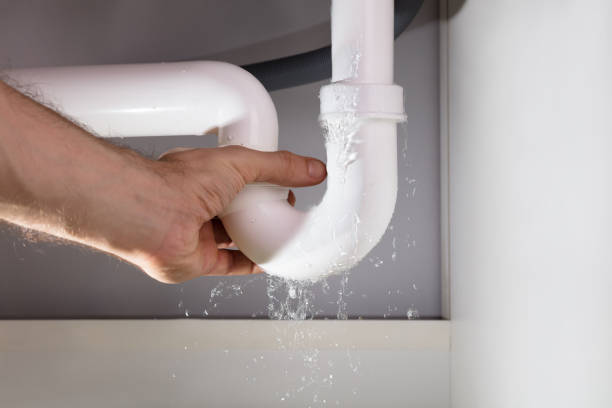
Routine inspections are invaluable for preventing water leaks. Allocating time every few months to inspect pipes beneath sinks, behind toilets, and around major appliances can help you identify corrosion, slow leaks, or pooling water. Early discoveries typically translate to less costly repairs and minimal disruption. Don’t forget to extend your inspection to seldom-visited areas such as crawl spaces and utility rooms.
Maintain Your Roof and Gutters
Roof and gutter integrity is paramount to preventing water from intruding into your home’s framework. Inspect your roof for loose, cracked, or missing shingles. Gutters filled with debris will cause water to overflow, increasing the chances of leaks through the roofline or basement. Schedule semi-annual cleanings and repairs to stay ahead of any issues.
Install Water Leak Detection Systems
Innovative leak detection devices now offer homeowners a new level of security. Placing these systems in moisture-prone areas—such as under sinks, near washing machines, or beside water heaters—means you’ll receive instant alerts to your phone at the first sign of trouble. Some modern models go the extra mile, automatically shutting off your main water supply if a significant leak is detected. This small investment may save you thousands in potential repair costs.
Insulate Pipes in Vulnerable Areas
Unprotected pipes in attics, garages, and crawl spaces are particularly vulnerable during cold weather. Frozen pipes can burst without warning, unleashing significant water damage in minutes. High-quality pipe insulation is both inexpensive and simple to install. For added protection during severe freezes, allow a trickle of water to flow overnight to keep the water moving and lessen the odds of freezing.
Monitor Water Pressure
Many leaks are caused by high water pressure that overstresses your plumbing system. Use a pressure gauge to ensure your home’s water pressure is ideally between 40 and 60 psi. Persistent high readings should be addressed with a pressure-reducing valve, which can be found at most hardware stores. This adjustment can prevent pipe bursts and extend the life of your plumbing system.
Upgrade Washing Machine Hoses
Washing machine hoses, particularly those made of old or rubber, are a well-known source of hidden leaks. Over time, these hoses degrade and can suddenly burst, often when you least expect them to. Replacing them with braided stainless-steel hoses provides greater resilience and decreases the likelihood of a catastrophic leak.
Seal Gaps and Cracks Around Water Sources
Even minor gaps around bathtubs, sinks, and showers can allow water to slowly leak into underlying structures, creating ideal conditions for mold and wood rot. Regularly inspect these areas and apply fresh caulk or sealant as necessary. This simple task is a powerful form of leak prevention that protects your most significant investment—your home.
Be Vigilant for Signs of Hidden Leaks
Awareness is key in protecting your home’s infrastructure. An unexplained increase in your water bill, unexplained musty smells, water stains, or the sound of trickling water when all taps are closed are red flags that warrant investigation. Addressing these early warning signs swiftly can save both money and hassle down the road.
Final Thoughts
Preventing hidden water leaks requires a combination of vigilance, regular maintenance, and smart upgrades. By routinely inspecting your plumbing, monitoring water pressure, and addressing early warning signs, you can protect your home from costly damage. Taking proactive steps today ensures peace of mind, preserves your property’s value, and minimizes the need for emergency repairs.