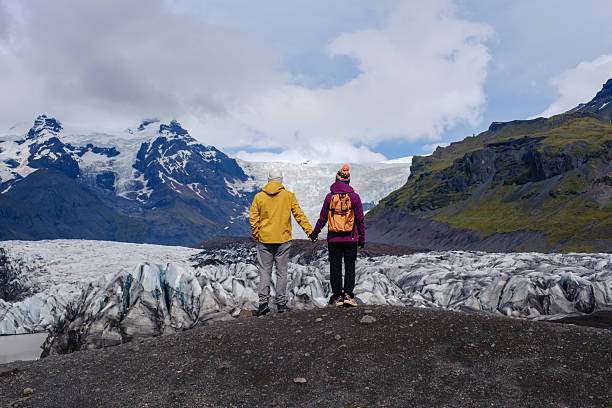
Traveling Iceland the Right Way: Your Guide to Eco-Conscious Adventure
Here’s something you probably already know: Iceland’s raw, volcanic beauty draws millions of visitors annually. But here’s what matters: this influx threatens the very landscapes people come to see. The good news? You don’t have to be part of the problem. Smart, intentional decisions transform you from tourist to steward. Consider this: Iceland generates nearly 100% of its power from renewable sources like geothermal and hydroelectric energy. That’s remarkable. Your job is to match that same environmental ethic while you explore.
Iceland’s Position as a Green Travel Destination
Let’s be honest, Iceland isn’t just another pretty place. It’s genuinely walking the walk when it comes to environmental stewardship. That commitment creates infrastructure, making your sustainable choices easier.
Clean Energy Powers Everything
Walk into virtually any building in Iceland, and you’re benefiting from clean power. Geothermal and hydroelectric sources fuel hotels, cafés, and even those incredible geothermal pools you’ve seen in photos. Your carbon footprint drops automatically compared to conventional destinations. Those bright greenhouses you’ll spot? They’re growing fresh tomatoes and vegetables throughout brutal winters using geothermal heat, slashing import dependency.
Staying connected matters for navigation and bookings, right? Many travelers now use an esim europe option while visiting Iceland. This digital approach eliminates plastic SIM card waste and saves you pointless store visits, perfectly aligned with Iceland’s waste reduction philosophy and environmental priorities.
Safeguarded Wild Spaces
Roughly one-fifth of Iceland enjoys protected status through national parks and nature reserves. These zones enforce serious regulations preventing harm to moss-draped lava fields and vulnerable volcanic terrain. Sustainable tourism in Iceland concentrates heavily on preserving these untouched environments for your grandchildren’s grandchildren.
Community-Driven Conservation
Icelanders don’t just talk about restoration, they actively do it. The Soil Conservation Service replants native species across damaged, eroded terrain. Here’s the beautiful part: tourism fees frequently fund this work. Your visit literally finances restoration efforts.
Planning Before You Pack
Your environmental impact begins way before your plane touches down in Keflavík. Responsible travel in Iceland kicks off with thoughtful choices about when to go, where to stay, and how to move around.
Timing Your Visit Strategically
Summer offers endless daylight and manageable roads, but everyone else had the same idea. Shoulder seasons, think late spring or early autumn, deliver pleasant conditions without the crushing crowds. This timing alleviates pressure on beloved spots like Landmannalaugar while giving local businesses steadier year-round income instead of feast-or-famine cycles.
Winter trips demand more prep but reward you with Northern Lights. Just layer up properly and take weather alerts seriously.
Where You Sleep Matters
Pick family-operated guesthouses and farm stays over corporate hotel chains whenever feasible. These smaller establishments circulate tourism revenue directly through local communities. Many farms provide genuine experiences, maybe you’ll help with sheep herding or discover traditional food preservation techniques passed through generations.
Seek out properties carrying environmental certifications. Progressive hotels implement smart water conservation systems and provide EV charging infrastructure.
Getting Around Thoughtfully
Renting electric or hybrid vehicles dramatically reduces emissions. Iceland’s Ring Road features charging infrastructure, though highland regions remain spotty. Group bus tours distribute carbon costs across multiple passengers while offering expert commentary on sensitive ecosystems.
One absolute rule: never drive off designated roads. It’s illegal, yes, but more importantly, it destroys vegetation requiring centuries to regenerate.
Your Behavior in the Field
This is where theory meets practice. Green travel tips emphasize minimizing direct impact through conscious actions.
Respecting Trail Boundaries
That soft-looking moss carpet? Deceivingly fragile. A single footstep leaves visible scarring for decades. Stay on marked trails and boardwalks, no matter how tempting that shortcut looks. Research shows that associated snowfall delayed summer melt onset by 11 days in comparable Arctic ecosystems, illustrating how precarious timing affects these environments.
Popular hikes like Fimmvörðuháls feature obvious trail markers. Stick to them religiously and respect roped-off vegetation.
Watching Wildlife Properly
Maintain a respectful distance from Arctic foxes, seals, and nesting birds. Puffins nest on seaside cliffs where human intrusion creates genuine stress. Skip the drone shots near wildlife or nesting zones; they’re banned in most locations anyway.
Iceland’s sheep and horses wander freely. They’re domesticated, sure, but they’re not yours to touch. Never feed or approach them unless their owner explicitly welcomes interaction.
Leaving No Trace
Remote areas lack trash bins. Carry out absolutely everything you carried in, including toilet paper. Savvy visitors pack dedicated waste bags specifically for this. Reusable water bottles make total sense here since Iceland’s tap water is exceptionally pure and completely safe.
If you need a restroom away from facilities, dig a shallow hole minimum 200 feet from any water source and pack out all paper.
Strengthening Local Economies
Eco tourism in Iceland only works when residents benefit tangibly. Where you spend money shapes the industry’s trajectory.
Patronizing Independent Ventures
Independent coffee shops, bakeries, and craft boutiques retain significantly more revenue within communities compared to international franchises. Authentic handmade woolens, ceramics, and jewelry create meaningful keepsakes while supporting regional artisans. Read labels carefully, some “Icelandic” merchandise is actually imported.
Farmers’ markets throughout Reykjavík and regional towns showcase locally produced food and handcrafted goods. These purchases reduce transportation emissions and deliver authentic regional flavors.
Honoring Cultural Norms
Master basic phrases like “takk fyrir” (thank you) and “góðan daginn” (good day). This modest effort demonstrates cultural respect. Public pool etiquette runs deep here; shower completely naked before entering pools, following local practice. It’s about cleanliness and honoring community expectations.
Never assume everyone welcomes photography. Request permission, particularly at family farms or cultural locations.
Decision Framework: Impact Comparison
| Choice Type | Lower Impact Option | Higher Impact Option | Why It Matters |
| Transportation | Electric/hybrid rental, bus tours | Large diesel SUV for solo travel | Reduces fuel consumption and emissions |
| Accommodation | Guesthouses, eco-certified hotels | Short-term whole apartments | Supports locals, reduces housing pressure |
| Food | Locally grown vegetables, Icelandic lamb | Imported tropical fruits, beef | Minimizes food miles and supports local farmers |
| Activities | Guided small-group tours | Unguided exploration off marked paths | Prevents habitat damage, ensures safety |
| Souvenirs | Handmade local crafts | Mass-produced imports | Keeps money in the community |
Common Questions About Sustainable Iceland Travel
How do I compensate for my flight’s carbon footprint?
Iceland’s Kolviður Carbon Fund plants indigenous trees throughout the country. Use their web-based calculator to determine your trip’s emissions, then contribute directly toward reforestation, combating desertification, and capturing carbon.
Can I realistically drive electric vehicles on Icelandic road trips?
Absolutely, along the Ring Road, where charging stations are becoming widespread. Highland routes remain problematic for pure EVs. Hybrid vehicles strike an excellent balance, offering electric mode for populated areas while maintaining fuel capacity for isolated regions.
What’s the best way to experience glaciers sustainably?
Reserve small-group tours through certified operators following rigorous environmental standards. They maintain groups on approved routes, educate participants about glacier conservation, and ensure safety without harming ice formations or adjacent vegetation.
Closing Reflections on Iceland Stewardship
Eco-friendly travel tips transcend mere harm reduction; they’re about active preservation participation. Iceland simplifies sustainable choices through renewable infrastructure and robust environmental regulations. Your selections regarding timing, transport, lodging, and daily habits accumulate into a substantial collective impact.
Champion responsible travel in Iceland by supporting local enterprises, honoring natural spaces, and adhering to established protocols. These landscapes developed over thousands of millennia; they deserve your mindful engagement. Pack light, stay inquisitive, and leave Iceland exactly as pristine as you discovered it.